
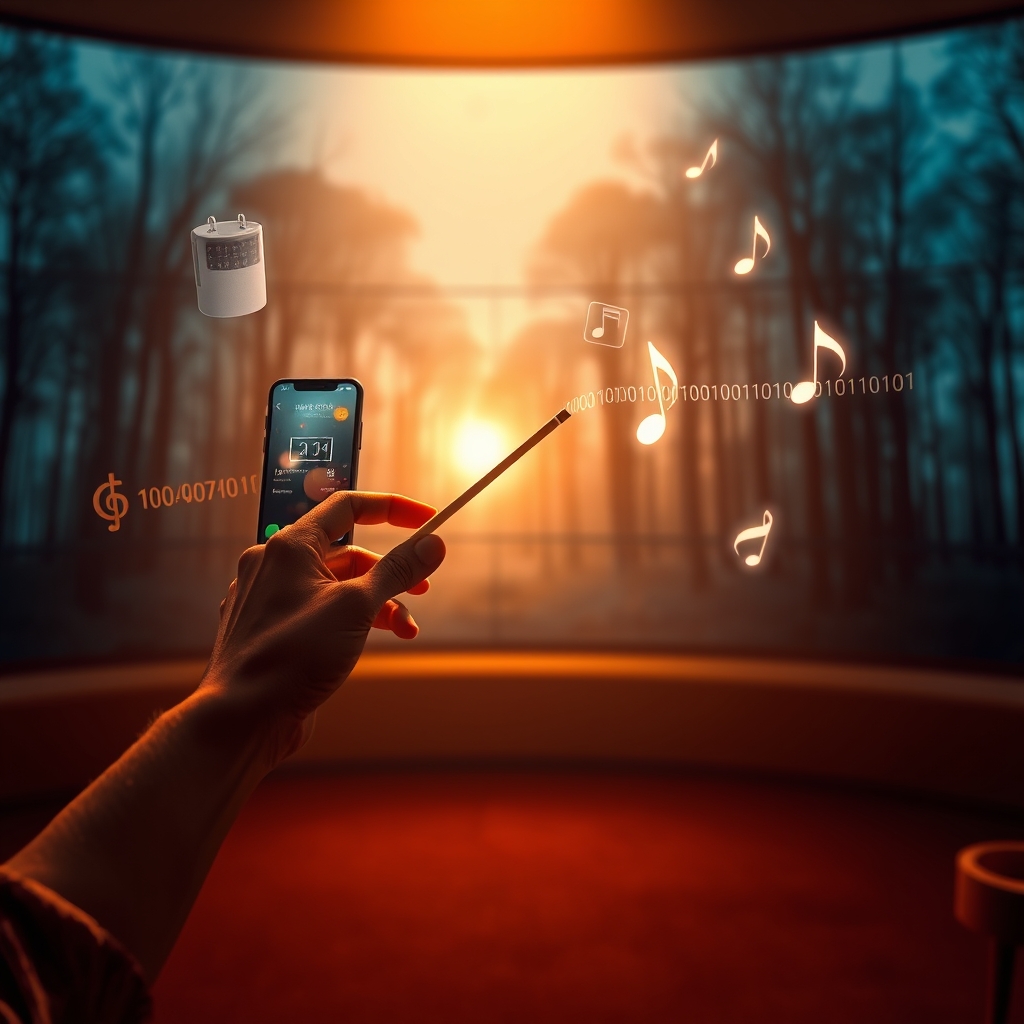
There is a quiet music in the way we interact with technology—a rhythm so subtle it often escapes our notice, yet so pervasive it orchestrates the cadence of our lives. Each tap, swipe, and notification is a note in an unseen symphony, a composition we conduct without realizing the weight of our own hands. The art of tech tips is not merely about efficiency or convenience; it is about tuning into this rhythm, learning to listen, and perhaps, finding harmony within the noise.
The Unseen Baton
We wake to the soft chime of an alarm, its tone carefully chosen not just to rouse us, but to set the mood for the day ahead. A gentle melody, a nature sound, or the familiar voice of a loved one—these are not random choices. They are the first notes of our daily symphony, the opening bars that shape the hours to come. The way we configure our devices, the apps we prioritize, the notifications we silence—each decision is a deliberate stroke of the baton, guiding the tempo of our thoughts and emotions.
Consider the simple act of organizing our home screens. What we place at the forefront is not just a matter of accessibility; it is a reflection of our priorities, a visual manifesto of what we hold dear. The folder labeled “Work” sits beside “Mindfulness,” the calendar app nestled next to the meditation timer. These are not mere arrangements of icons; they are the stanzas of a poem we write every day, a poem about who we are and who we aspire to be.
The Whisper of Automation
There is a certain magic in automation, the way it hums in the background, performing its tasks with quiet efficiency. A scheduled email sent at the perfect moment, a reminder that nudges us toward a forgotten goal, a smart light that dims as the evening deepens—these are the unsung melodies of our digital lives. They do not demand our attention; instead, they flow seamlessly into the rhythm of our days, like a river carving its path through stone.
Yet, automation is not just about convenience. It is about reclaiming our mental space, freeing ourselves from the tyranny of the mundane so we can focus on what truly matters. When we set up a recurring task or a filtered inbox, we are not just saving time; we are composing a life where our energy is spent on creation rather than consumption, on presence rather than distraction. The tools we wield are not just functional; they are transformative, shaping not only our schedules but our very sense of self.
The Dance of Distraction and Focus
In this symphony of technology, distraction is the dissonant note that threatens to disrupt the harmony. It creeps in like a shadow, pulling our attention away from the melody we intended to follow. A buzzing phone, a flashing screen, the siren call of an endless scroll—these are the interruptions that fracture our focus, leaving us adrift in a sea of fragmented thoughts.
But what if we could learn to dance with distraction rather than resist it? What if we could acknowledge its presence, even appreciate its role in the grand composition of our lives? The key lies not in eradication, but in awareness. A well-timed “Do Not Disturb” mode is not a wall to keep distraction out; it is a pause in the music, a moment of stillness that allows us to recenter and realign with our intentions. It is the breath between notes, the silence that gives meaning to the sound.
The Poetry of Small Adjustments
There is a poetry in the small adjustments we make to our digital lives, the tiny tweaks that ripple outward, altering the course of our days. A change in font size to ease the strain on our eyes, a shift in color scheme to soothe our minds, the decision to mute a particularly noisy group chat—these are not insignificant acts. They are the brushstrokes on the canvas of our existence, each one contributing to the larger picture of how we experience the world.
Consider the night mode on our devices, that gentle amber glow that signals the transition from day to night. It is more than a feature; it is a lullaby, a digital sunset that tells our brains it is time to wind down. Or the way we curate our news feeds, choosing sources that inspire rather than inflame, stories that uplift rather than divide. These choices are not just about information; they are about nourishment, about feeding our souls as much as our minds.
The Echo of Our Digital Footsteps
Every interaction with technology leaves an echo, a trace of our presence in the digital world. The searches we conduct, the messages we send, the paths we take through the labyrinth of the internet—these are the footsteps that map the terrain of our inner lives. They tell a story, not just of what we do, but of who we are, what we value, and where we are headed.
There is a certain vulnerability in this echo, a transparency that can feel both exhilarating and unsettling. It reminds us that our digital lives are not separate from our real ones; they are intertwined, each shaping the other in ways we are only beginning to understand. The tech tips we embrace are not just about managing our devices; they are about managing ourselves, about cultivating a relationship with technology that is intentional, mindful, and ultimately, deeply human.
In the end, the symphony of our digital lives is not something we passively endure; it is something we actively create. Each note, each pause, each adjustment is an opportunity to shape the music in a way that resonates with our truest selves. The tools are at our fingertips, the baton in our hands. The question is not whether we will conduct, but how beautifully we will choose to play.
You may also like
-
The Fractured Mirror: How Tech Tips Reflect the Fragmented Self in a Digital Age
-
The Digital Sundial: How Tech Tips Mark the Hours of Our Inner Time
-
The Breath Between Clicks: How Tech Tips Become the Pause in Our Digital Pulse
-
The Digital Hearth: How Tech Tips Kindle the Warmth of Human Connection
-
The Alchemy of Attention: How Tech Tips Shape the Landscape of Our Minds