
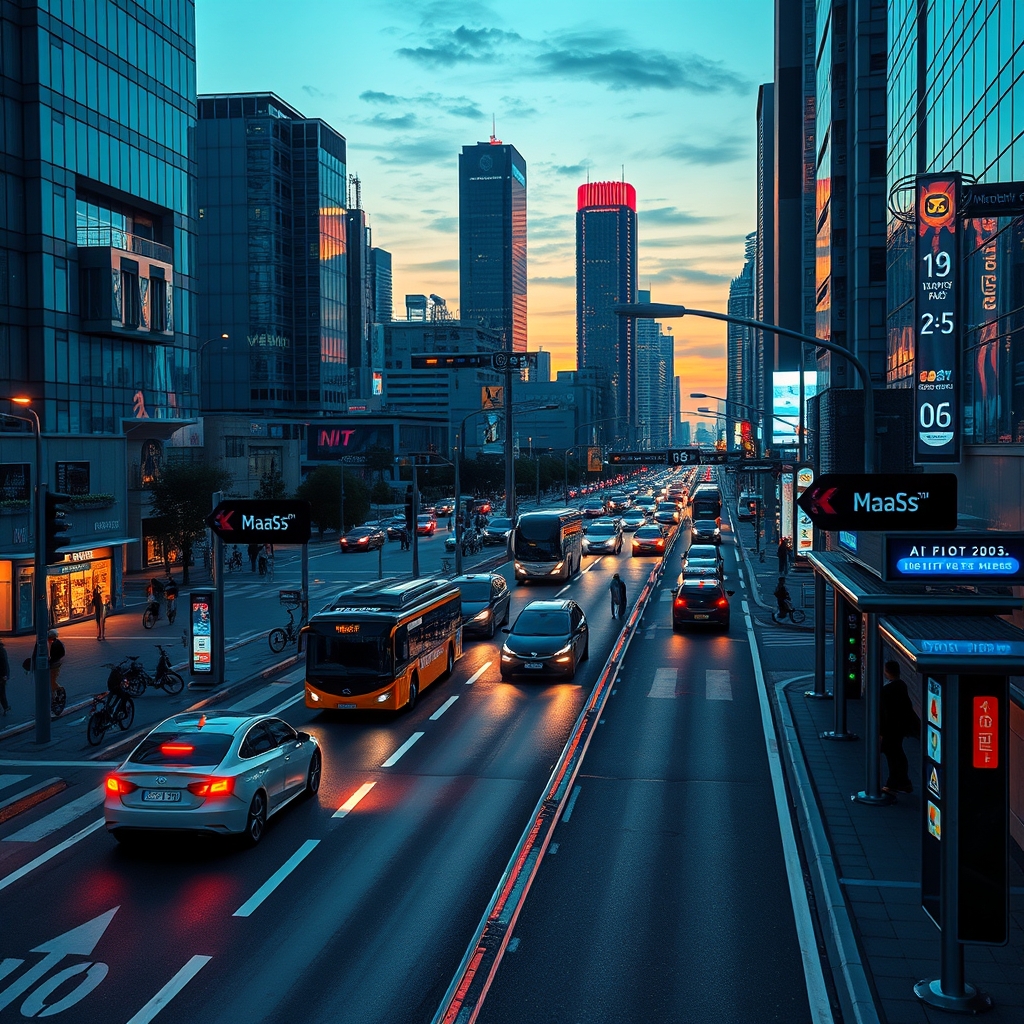
As cities grow more congested and environmental concerns intensify, the need for smarter, more efficient urban mobility solutions has never been greater. Artificial intelligence is emerging as a transformative force in this space, offering innovative ways to optimize transportation systems, reduce emissions, and enhance the quality of urban life. From autonomous vehicles to predictive traffic management, AI is redefining how people and goods move through cities, making them more sustainable, accessible, and resilient.
The Rise of Autonomous Vehicles
One of the most visible and disruptive AI innovations in urban mobility is the development of autonomous vehicles (AVs). These self-driving cars, buses, and shuttles leverage advanced machine learning algorithms, computer vision, and real-time data processing to navigate complex urban environments without human intervention. Companies like Waymo, Tesla, and Cruise are leading the charge, testing fleets of AVs in cities around the world to refine their technology and demonstrate their potential.
Autonomous vehicles promise to revolutionize urban mobility by reducing traffic accidents, which are predominantly caused by human error. They also have the potential to lower emissions by optimizing routes, reducing idle time, and enabling more efficient driving patterns. Moreover, AVs could make transportation more accessible for elderly and disabled individuals, providing them with newfound independence and mobility. However, challenges remain, including regulatory hurdles, public trust, and the need for robust infrastructure to support widespread adoption.
Smart Traffic Management Systems
Beyond autonomous vehicles, AI is also transforming how cities manage traffic flow. Traditional traffic management systems rely on static timers and manual adjustments, which often lead to inefficiencies and congestion. AI-powered smart traffic management systems, on the other hand, use real-time data from sensors, cameras, and connected vehicles to dynamically adjust traffic signals, optimize flow, and reduce bottlenecks.
For example, cities like Pittsburgh and Barcelona have implemented AI-driven traffic control systems that analyze traffic patterns and adjust signal timings in real time. These systems can reduce travel times by up to 25% and lower emissions by minimizing idle time at intersections. Additionally, AI can predict traffic congestion before it happens, allowing city planners to proactively reroute vehicles or adjust public transit schedules to alleviate pressure on overburdened roads.
Predictive Analytics for Public Transit
Public transit systems are another area where AI is making a significant impact. By leveraging predictive analytics, cities can optimize bus and train schedules, improve reliability, and enhance the overall passenger experience. AI algorithms analyze historical and real-time data, such as ridership patterns, weather conditions, and service disruptions, to predict demand and adjust schedules accordingly.
For instance, London’s Underground system uses AI to predict passenger flow and adjust train frequencies during peak hours. Similarly, cities like Singapore and Helsinki are experimenting with on-demand public transit services powered by AI, where algorithms dynamically route buses based on real-time demand, reducing wait times and improving efficiency. These innovations not only make public transit more convenient but also encourage more people to choose sustainable transportation options over private cars.
AI and the Future of Micromobility
Micromobility—such as e-scooters, e-bikes, and shared bicycles—has exploded in popularity as cities seek to reduce car dependency and promote sustainable transportation. AI is playing a crucial role in making micromobility safer, more efficient, and more accessible. For example, AI-powered docking stations can predict demand and redistribute bikes or scooters to high-traffic areas, ensuring availability when and where they are needed most.
Moreover, AI can enhance the safety of micromobility by analyzing rider behavior and identifying potential hazards. Companies like Lime and Bird use AI to monitor scooter usage patterns and detect unsafe riding, such as sidewalk riding or excessive speeding. This data can then be used to implement targeted safety campaigns or adjust infrastructure, such as adding more bike lanes, to create a safer urban environment for all road users.
Integrating Mobility as a Service (MaaS)
One of the most exciting AI-driven innovations in urban mobility is the concept of Mobility as a Service (MaaS). MaaS platforms integrate various transportation modes—such as public transit, ride-sharing, bike-sharing, and car rentals—into a single, seamless digital interface. AI powers these platforms by analyzing user preferences, travel patterns, and real-time data to offer personalized, multi-modal travel options that are efficient, cost-effective, and sustainable.
For example, apps like Whim in Helsinki and Moovit in cities worldwide use AI to suggest the best routes combining walking, biking, public transit, and ride-sharing. These platforms not only simplify the user experience but also encourage the use of sustainable transportation options by making them more convenient and accessible. As AI continues to evolve, MaaS platforms will become even more sophisticated, offering dynamic pricing, real-time updates, and predictive recommendations tailored to individual needs.
The integration of AI into urban mobility is not just about improving transportation—it’s about reimagining cities as dynamic, responsive ecosystems that prioritize people and the planet. By harnessing the power of AI, cities can reduce congestion, lower emissions, and create more livable, equitable spaces for all residents. The journey toward smarter urban mobility is still in its early stages, but the potential is limitless. As technology advances and cities embrace innovation, the way we move through urban landscapes will continue to evolve, shaping a future where transportation is not just a means to an end, but a seamless, sustainable, and enriching part of daily life.
You may also like
-
AI Innovations in Disaster Response: Saving Lives with Predictive Intelligence and Real-Time Solutions
-
AI Innovations in Mental Health: Bridging Gaps with Compassionate Technology
-
AI Innovations in Agriculture: Cultivating the Future of Food Security
-
AI Innovations in Personalized Education: Tailoring Learning for the Digital Age
-
AI Innovations in Climate Science: Predicting and Combating Global Challenges