
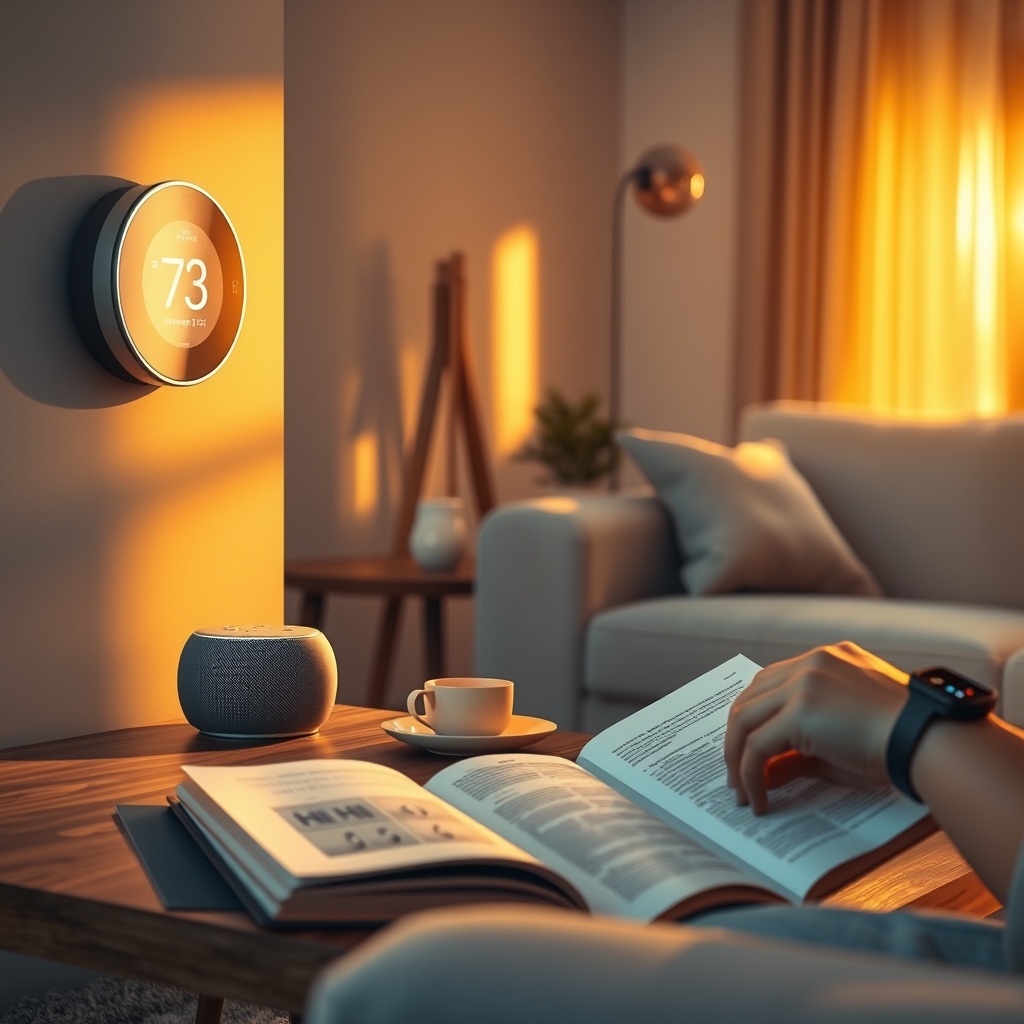
The air hums with an almost imperceptible energy, a quiet symphony of circuits and signals weaving through the fabric of our daily lives. We live in an era where gadgets no longer demand our attention with clunky interfaces or garish designs—they whisper, they anticipate, they adapt. These are not the gadgets of yesteryear, loud and insistent, but the silent conductors of a digital orchestra, harmonizing our routines with effortless precision. Welcome to the age of the unseen maestro.
The Rise of the Invisible Interface
Gone are the days when technology felt like an intruder in our homes, a glaring screen or a beeping box disrupting the tranquility of our spaces. Today’s gadgets are designed to dissolve into the background, their presence felt only through their absence—when they fail to perform. Take, for instance, the latest generation of smart thermostats. They learn your habits, adjust temperatures before you even realize you’re cold, and do it all without a single button press. The interface is no longer a screen; it’s the ambient temperature of your home, the gentle warmth on your skin, the absence of a draft.
This shift toward invisibility is not just about aesthetics—it’s about intimacy. When a gadget fades into the background, it ceases to be a tool and becomes an extension of ourselves. The best smart speakers, for example, don’t just play music; they curate soundscapes that evolve with your mood, your schedule, even the time of day. They listen, they learn, and they respond—not with a robotic voice, but with a nuance that feels almost human. The line between technology and intuition blurs, and suddenly, the gadget isn’t just in your home; it’s part of your home.
The Alchemy of Adaptive Intelligence
What truly sets the latest gadgets apart is their ability to adapt. They don’t just follow commands; they anticipate needs, often before we’re even aware of them. Consider the modern fitness tracker, a device that has evolved far beyond counting steps. Today’s models monitor heart rate variability, sleep stages, and even stress levels, then synthesize that data into actionable insights. They don’t just tell you how you slept—they suggest when to wind down, when to move, when to breathe. They don’t just track your runs; they adjust your playlist to match your pace, your cadence, the very rhythm of your breath.
This adaptive intelligence is not confined to wearables. Smart kitchens now suggest recipes based on the ingredients you have, the time you have, and even your dietary preferences. They don’t just preheat your oven; they guide you through each step, adjusting temperatures and timers in real-time. The gadget isn’t just assisting you—it’s collaborating with you, turning the act of cooking from a chore into a creative partnership.
The Emotional Resonance of Silent Innovation
But perhaps the most profound shift in modern gadgetry is the way it engages our emotions. The best devices don’t just perform tasks; they connect with us on a deeper level. Take, for example, the latest e-readers. They don’t just display text; they mimic the tactile experience of a physical book, from the subtle texture of the screen to the gentle haptic feedback of turning a page. They remember where you left off, sync across devices, and even adjust font sizes and lighting to reduce eye strain. The experience isn’t just convenient—it’s comforting, a digital sanctuary for the book lover’s soul.
Or consider the smart photo frames that cycle through your memories, not just as static images, but as dynamic collages set to music. They don’t just display photos; they curate moments, turning a simple frame into a living, breathing scrapbook. The gadget isn’t just a display—it’s a storyteller, a keeper of memories, a silent witness to the chapters of your life.
The Future: Gadgets as Co-Creators of Experience
As we look to the future, the role of gadgets will continue to evolve from mere tools to co-creators of experience. The next wave of innovation won’t be about bigger screens or faster processors—it will be about gadgets that understand context, that adapt to our emotions, that seamlessly integrate into the tapestry of our lives. Imagine a smart mirror that doesn’t just reflect your image but analyzes your skin, suggests skincare routines, and even simulates how you’ll look in ten years. Or a smart garden that doesn’t just water your plants but monitors their health, adjusts their environment, and even plays them music to stimulate growth.
The gadgets of tomorrow won’t just serve us—they’ll understand us, anticipate our needs, and elevate our experiences in ways we’ve only begun to imagine. They’ll be the silent partners in our daily rituals, the unseen hands guiding us through the symphony of modern life. And as they fade further into the background, their presence will become all the more powerful—not because we see them, but because we feel them, in every subtle adjustment, every intuitive suggestion, every moment of effortless harmony.
The future of gadgets isn’t about what they can do—it’s about how they make us feel. And in that quiet revolution, the most extraordinary innovations are the ones we no longer notice, because they’ve become as natural as the air we breathe, as familiar as the rhythm of our own heartbeat. The gadgets of tomorrow aren’t just tools; they’re the silent architects of a life more beautifully lived.
You may also like
-
The Electric Pulse of Modern Life: Gadgets That Don’t Just Keep Up—They Anticipate
-
The Uncharted Frontier: How Wearable Tech is Mapping the Future of Human Experience
-
The Symphony of Speed: How Next-Gen Gadgets Are Composing the Future of Performance
-
The Alchemy of Touch: How Haptic Feedback Gadgets Are Rewriting the Language of Interaction
-
The Unspoken Elegance: How Minimalist Gadgets Are Redefining Modern Sophistication