

Foldable vs Rollable Screen Tech, The smartphone landscape is undergoing a massive design revolution. For over a decade, rigid glass slabs dominated the mobile market entirely. However, recent breakthroughs in flexible display materials have shattered these traditional design limitations. Manufacturers can now manipulate screen real estate in ways previously restricted to science fiction movies.
Two major display formats are currently battling to define the future of mobile productivity. Foldable screen technology has already established a firm foothold in the mainstream consumer market. Meanwhile, rollable display technology is rapidly emerging as a fascinating, seamless alternative. Both formats offer distinct methods for packing a tablet-sized viewing experience into a pocket-friendly footprint. This detailed analysis explores the mechanics, advantages, and engineering hurdles of both pioneering display formats.
The Shared Foundation of Flexible Displays
Understanding how these next-generation screens work requires looking at their core structural component. Traditional smartphones utilize rigid glass substrates that shatter instantly if subjected to bending forces. In contrast, both foldable and rollable devices rely heavily on advanced flexible OLED technology. Manufacturers construct these cutting-edge panels on incredibly thin, pliable plastic substrates like polyimide. This flexible base layer allows the entire display stack to bend repeatedly without fracturing.
What exactly makes these plastic displays so resilient under constant mechanical stress? The secret lies in the microscopic engineering of the organic light-emitting diode pixels. The circuit layers and light emissive materials are designed to slide marginally at a molecular level. Furthermore, protective top layers made of ultra-thin glass provide scratch resistance while retaining superb flexibility. This material foundation allows developers to completely rethink how a smartphone layout can behave. Without these pliable polyimide foundations, neither folding nor rolling configurations would be physically possible.
Foldable Screen Tech: The Established Pioneer
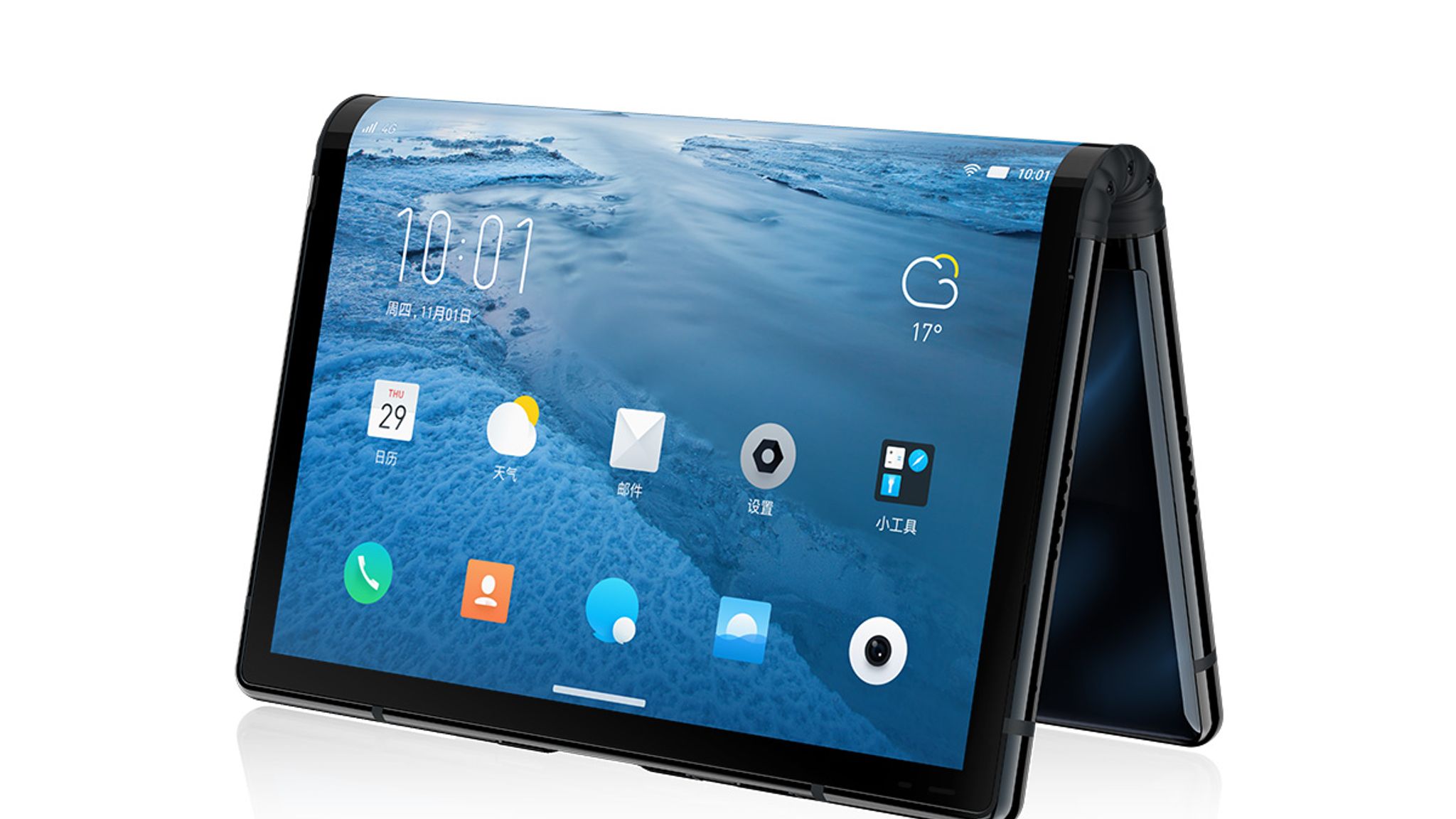
Foldable smartphones represent the first truly successful commercialization of flexible display panels. These devices use a highly precise mechanical hinge to open and close like a book. When folded shut, they look and feel exactly like a standard, slightly thick smartphone. Unfolding the device activates a vast internal screen that instantly transforms the phone into a mini-tablet. This dual-purpose design gives users the ultimate freedom to choose their preferred screen size dynamically.
The market has stabilized around two distinct styles of foldable hardware architecture. Book-style foldables open horizontally to provide an expansive canvas optimized for intense multitasking and media consumption. Clamshell-style foldables fold vertically into a tiny, pocketable square that expands into a standard-sized phone. Recently, advanced trifold designs have pushed boundaries by utilizing two separate hinges to offer massive ten-inch displays. The sheer variety of foldable options ensures that consumers can easily find a style matching their lifestyle.
Mechanical Hinges and Everyday Durability
The complex mechanical hinge serves as the absolute backbone of any successful foldable device. Early iterations suffered from fragile mechanisms that allowed dust and pocket lint to enter easily. Modern engineering has resolved these issues by introducing intricate water-drop hinges that minimize internal structural stress. These advanced assemblies allow the two halves of the screen to lay completely flat against each other.
Furthermore, durability ratings have skyrocketed, with current models surviving hundreds of thousands of individual folds. Many leading foldable phones now boast full IP68 dust and water resistance ratings. This level of protection removes one of the biggest psychological barriers for hesitant smartphone buyers. The satisfying tactile snap of closing a foldable device remains a uniquely enjoyable user experience.
The Problem of the Crease
Despite major engineering triumphs, foldable technology still faces one persistent aesthetic drawback. The physical process of folding a display down the center inevitably leaves a visible line. This screen crease can sometimes catch overhead light reflections and interrupt the otherwise premium viewing experience. Users can also feel a slight indentation when sliding a finger across the center of the display.
However, manufacturers continue to make massive strides in minimizing this frustrating physical imperfection. The latest ultra-thin glass formulations compress tighter to significantly reduce the depth of the crease line. While it remains visible under specific harsh lighting angles, it largely disappears during active video playback. Most daily users find that they adapt to the crease quickly during normal productivity tasks.
Rollable Screen Tech: The Seamless Horizon
Rollable screen technology represents the next logical evolutionary leap for flexible mobile electronics. Instead of bending the display over a hard hinge, rollable devices roll the screen away entirely. The excess display area wraps smoothly around an internal motorized scroll mechanism hidden inside the main chassis. When you trigger the expansion mechanism, the phone body expands sideways while the screen unspools flawlessly. This unique action provides an adjustable screen size without needing any physical folds.
What makes this format so attractive is how it completely redefines ergonomics. A rollable smartphone remains uniformly thin, avoiding the bulky thickness associated with closed book-style foldables. The motorized tracks ensure that the display surface remains perfectly flat and tensioned at all times. Users can watch the screen grow smoothly right before their eyes with a single button press. This seamless transition offers a spectacular glimpse into the future of fluid computing.
Eliminating the Infamous Display Crease
The most significant advantage of rollable technology is the complete eradication of the screen crease. Because the display rolls around a curved internal cylinder, it never undergoes a sharp fold. This design choice provides a completely smooth, uninterrupted visual surface that rivals traditional glass screens. Watching high-definition video content feels much more immersive without a distracting line dividing the image. Touch inputs feel perfectly consistent across every single square millimeter of the expanded panel.
In addition, rollable devices eliminate the need for a secondary external cover screen. Foldable phones require a separate outer display so users can interact with the device while closed. Rollable designs simply use a portion of the main screen when retracted into phone mode. When you need a tablet experience, that exact same screen rolls outward to reveal its full size. This elegant approach cuts down on overall component complexity and reduces battery drain from secondary screens.
Motorized Complexity and External Risks
However, the magnificent seamlessness of rollable technology introduces a fresh set of engineering difficulties. The motorized scroll system relies on tiny, intricate gears that require precise electrical power to operate. If a user drops the phone while the motor is active, the internal tracks can misalign. Any mechanical failure within the motorized drive train could render the entire display extension feature useless.
Furthermore, the open nature of the rolling mechanism presents a significant challenge for environmental sealing. Creating a reliable barrier against fine dust particles and liquids is incredibly difficult with moving frames. A single grain of hard sand getting trapped inside the rolling drum could severely scratch the display. Manufacturers are working tirelessly to develop specialized sweeping brushes to protect these delicate internal components. Until these sealing issues are solved, rollables will remain more vulnerable to environmental damage than foldables.
Software Optimization Across Fluid Screens
The ultimate success of any flexible display device depends heavily on software execution. An expansive screen is only useful if user interfaces can adapt to changing dimensions instantly. Operating systems have evolved dramatically to support the unique requirements of both foldables and rollables. Modern mobile software detects screen configuration changes instantly and scales application layouts without any stuttering. This seamless transition ensures that a user never loses their workflow when expanding their device.
On a large book-style foldable, advanced multitasking features allow users to run three apps simultaneously. You can easily drag and drop text from a web browser directly into a work email. Rollable software takes this flexibility a step further by offering dynamic aspect ratio adjustments. The operating system can unspool the screen partially to perfectly match the specific video format you are watching. This eliminate annoying black bars above and below cinema-scope movies for an optimal viewing experience. As developers continue to optimize their applications, the utility of these fluid screens will only grow.
Summary of the Screen Showdown
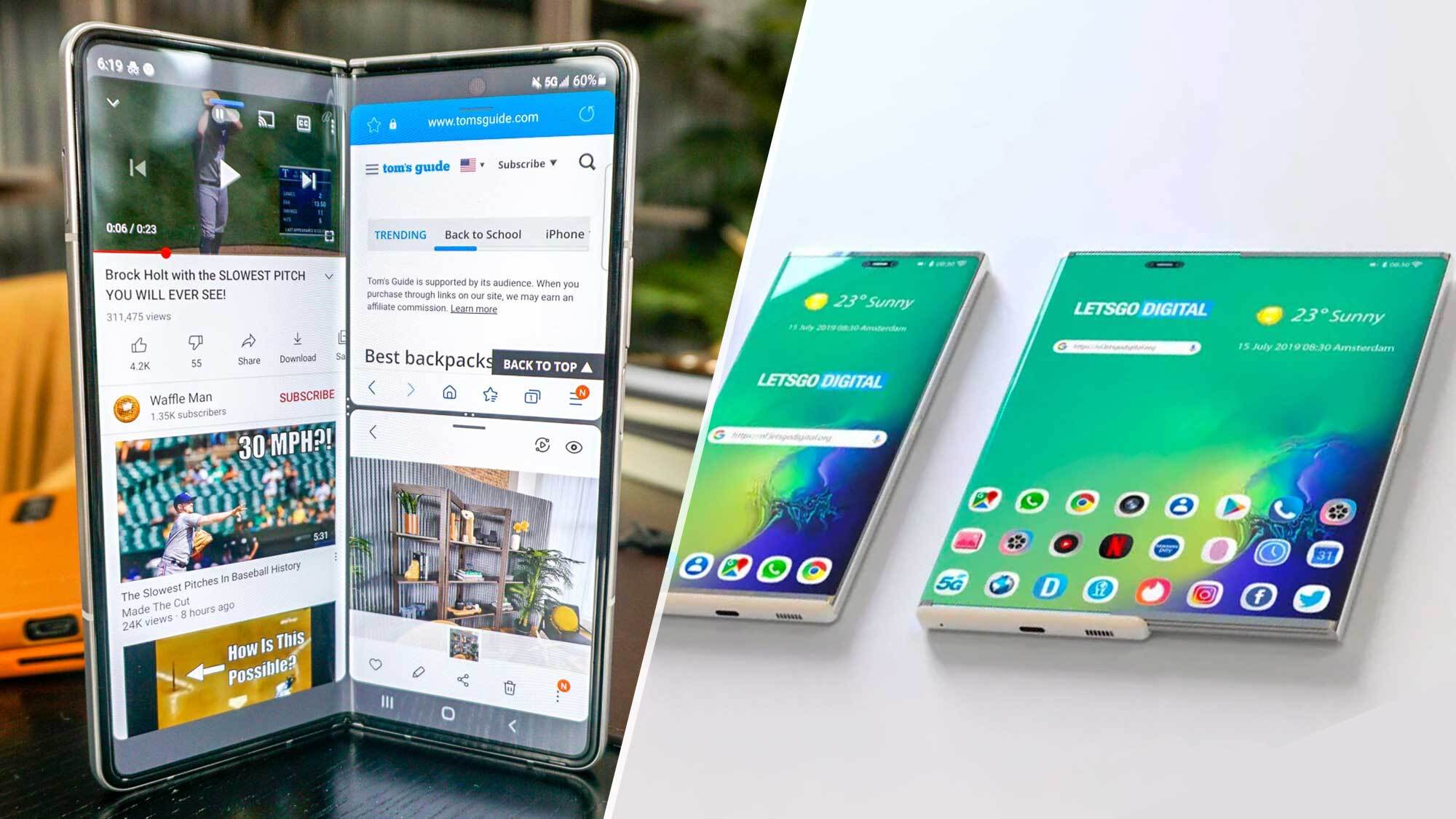
The fierce battle between foldable and rollable screen technology highlights an incredibly exciting era for mobile innovation. Foldable smartphones offer proven structural durability, mature hinge mechanisms, and widespread retail availability across various price brackets. They excel at providing immediate, tactile access to a tablet-sized workspace despite the minor compromise of a visible crease.
Ultimately, rollable display technology represents a breathtaking vision of seamless, crease-free visual computing. While rollables eliminate the bulkiness and creases of foldables, they must still overcome complex motorized vulnerability hurdles. Both technologies successfully prove that the era of the rigid, unyielding smartphone slab is drawing to a close. Choosing between them depends entirely on whether you prefer established mechanical utility or futuristic seamless elegance.
You may also like
-
The Electric Pulse of Modern Life: Gadgets That Don’t Just Keep Up—They Anticipate
-
The Uncharted Frontier: How Wearable Tech is Mapping the Future of Human Experience
-
The Symphony of Speed: How Next-Gen Gadgets Are Composing the Future of Performance
-
The Alchemy of Touch: How Haptic Feedback Gadgets Are Rewriting the Language of Interaction
-
The Unspoken Elegance: How Minimalist Gadgets Are Redefining Modern Sophistication