
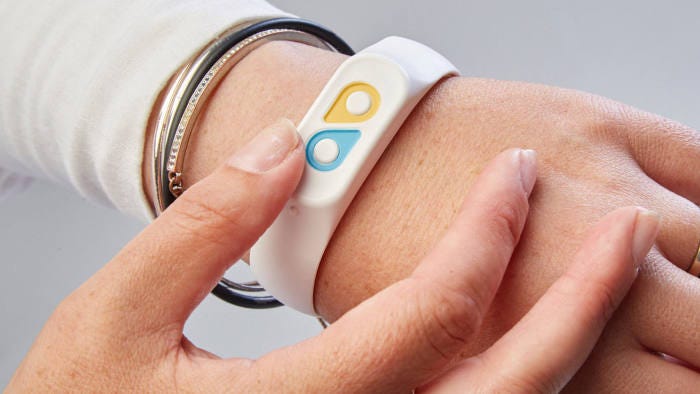
Wearable Tech Beyond Fitness, The global wearable technology market is undergoing an incredibly dramatic and exciting paradigm shift right now. For over a decade, consumers associated smartwatches and trackers almost exclusively with physical fitness metrics.
Millions of people used these early devices to count daily steps or log intense gym workouts. However, recent scientific breakthroughs have pushed wearables far past the boundaries of simple workout companion gadgets.
Today, advanced wearable electronics are seamlessly integrating into our corporate workplaces, healthcare systems, and personal security setups. Manufacturers are utilizing highly sophisticated sensors to monitor intricate biological data continuously and accurately. These modern devices do not just track what you did during a morning jog anymore. Instead, they actively anticipate your personal and professional needs to improve your overall quality of life.
The Evolution of Sensory Technology
Early wearable devices relied heavily on basic motion sensors to guess your daily physical movement. These simple accelerometers frequently miscalculated steps and offered very limited utility for complex medical tracking. However, severe competition among major technology brands forced a rapid acceleration of sensor miniaturization. This engineering push allowed developers to pack medical-grade diagnostic equipment into incredibly compact form factors.
What changed the market landscape so drastically over the last few years? The answer lies within the development of highly precise non-invasive biometrics. Modern wearables now utilize advanced optical sensors to look deep beneath the skin surface safely. These sensors analyze blood flow patterns and chemical compositions using specific wavelengths of light. This capability transforms a standard consumer accessory into a powerful, continuous health diagnostic laboratory.
Today, wearable tech routinely inherits features that previously required expensive, bulky clinical machinery. You can easily find consumer accessories capable of measuring blood oxygen saturation and heart rhythms instantly. Software support has also expanded, with cloud-based artificial intelligence algorithms analyzing this incoming sensory data. The boundary between casual consumer electronics and serious medical equipment has officially blurred this year.

Transforming Proactive Healthcare and Medical Diagnostics
The medical industry is experiencing a massive revolution thanks to continuous patient monitoring capabilities. Traditional healthcare models rely heavily on periodic, brief checkups at physical doctor clinics. This reactive approach frequently fails to catch dangerous underlying health issues before they escalate significantly. Implementing smart wearable devices enables a continuous, proactive safety net for vulnerable patients worldwide.
Continuous Vital Sign Monitoring
Modern medical wearables track crucial vital signs every single second of the day or night. These advanced devices monitor your electrocardiogram rhythms to detect irregular heartbeats like atrial fibrillation instantly. If the software identifies a dangerous cardiac anomaly, it immediately alerts the user to seek emergency medical attention. This rapid notification system saves countless lives by catching silent cardiovascular threats early.
Furthermore, non-invasive glucose monitoring has emerged as an absolute game-changer for millions of individuals living with diabetes. Wearers no longer need to prick their fingers painfully multiple times throughout the day to check blood sugar levels. Tiny skin patches transmit continuous biochemical data directly to smartphone applications using secure wireless connections. This continuous data stream allows users to manage their nutritional needs with unprecedented precision and comfort.
Remote Patient Care
What’s interesting is how effectively these devices streamline the communication between patients and medical professionals. Doctors can now access real-time biometric dashboards to evaluate how a patient responds to specific prescription medications. This continuous visibility eliminates the need for frequent, stressful hospital visits for elderly or mobility-impaired individuals. If a metric shifts outside safe parameters, the clinic gets notified automatically to schedule a virtual consultation.
In addition, advanced fall detection algorithms utilize highly sensitive gyroscopes to identify sudden, accidental impacts. If an elderly person falls at home, the wearable automatically transmits distress signals to designated family members. The alert includes precise geographic coordinates so emergency responders can locate the individual without any delay. This seamless emergency response infrastructure provides immense peace of mind to families worldwide.
Elevating Workplace Safety and Enterprise Productivity
The industrial and corporate sectors are adopting wearable tech to protect manual laborers and boost operational efficiency. Heavy manufacturing plants and massive shipping warehouses present numerous physical hazards to daily on-site workers. Standard safety gear like hard hats and steel-toed boots offer excellent passive protection against external impacts. However, smart wearables introduce active, intelligent monitoring to prevent workplace accidents before they occur.
The undeniable highlight of industrial wearables is their ability to monitor environmental hazards dynamically. Smart wristbands can continuously analyze the surrounding air quality for dangerous levels of toxic gases or carbon monoxide. If a sensor detects a sudden spike in toxic elements, it triggers intense vibrations to warn the worker immediately. This rapid warning allows employees to evacuate hazardous areas safely before sustaining internal physical injury.
Ergonomic Support and Fatigue Tracking
Furthermore, specialized posture-tracking sensors help manual laborers avoid debilitating long-term musculoskeletal injuries. These compact devices clip onto clothing to monitor the curvature of a worker’s spine during heavy lifting tasks. If an employee uses incorrect lifting form, the device emits a soft auditory alert to correct their posture. This continuous coaching drastically reduces workplace injury claims and keeps industrial workforces healthy.
What is fascinating is how modern enterprise wearables can track physical fatigue through subtle biometric shifts. Internal sensors analyze changes in heart rate variability and skin temperature to determine real-time exhaustion levels. If an operator exhibits dangerous signs of extreme sleepiness, management receives a notification to rotate the worker safely. This proactive fatigue management prevents catastrophic industrial accidents caused by human exhaustion.
Enhancing Personal Security and Smart Home Integration
Personal safety and home automation represent another massive growth sector for flexible consumer electronics. Modern citizens prioritize immediate access to emergency communication channels while navigating busy urban environments. Traditional smartphones can sometimes remain out of reach inside deep pockets or backpacks during critical moments of distress. Wearable devices resolve this issue by placing communication tools directly onto your body for instant deployment.
Advanced smart rings allow users to trigger silent panic alarms completely unnoticed during dangerous situations. A specific sequence of finger taps secretly sends an emergency text message to local security services. The message contains a continuous audio recording from the ring’s microphone alongside live location tracking data. This stealthy security feature empowers individuals to summon immediate assistance without escalating a tense confrontation.
Seamless Smart Home Control
Beyond personal security, these accessories function as the ultimate control hubs for modern smart living spaces. Your wearable device can communicate with your home automation system using ultra-wideband wireless technology. As you walk toward your front door, the smart lock recognizes your encrypted biometric signature and unlocks automatically. You no longer need to fumble with physical keys or remember complex digital entry codes.
Furthermore, smart clothing can dynamically adjust your home environment based on your current physical comfort levels. If your shirt sensors detect a drop in your core body temperature, the system adjusts the central thermostat immediately. The lighting grids can also dim automatically when the wearable indicates that you have fallen asleep for the evening. This level of ambient automation creates a completely frictionless, personalized living experience.

Summary of the Wearable Revolution
The wearable technology market has successfully evolved past its initial focus on daily fitness tracking. Modern devices serve as indispensable diagnostic tools that actively protect human health through continuous biometric analysis. In industrial workplaces, smart accessories safeguard manual laborers from hidden environmental toxins and long-term ergonomic strain. Meanwhile, personal security rings and smart home integration bring unprecedented safety and convenience to our daily routines.
Ultimately, flexible electronics are transforming how humanity interacts with the digital and physical worlds simultaneously. These devices no longer feel like optional luxury gadgets; they feel like essential tools for modern living. As sensor accuracy and artificial intelligence software continue to advance, wearable utility will expand even further. Embracing these innovative technologies today allows us to lead safer, more productive, and highly optimized lives.
You may also like
-
The Invisible Labor of Consumer Tech: How Your Digital Life Fuels a Hidden Economy
-
The Commodification of Curiosity: How Consumer Tech Turns Inquiry into Exploitation
-
The Algorithm of Addiction: How Consumer Tech Exploits Psychological Vulnerabilities for Engagement
-
The Silent Erosion: How Consumer Tech is Rewiring Our Decision-Making Without Permission
-
The Cognitive Trade-Off: How Consumer Tech is Redesigning Our Mental Architecture