
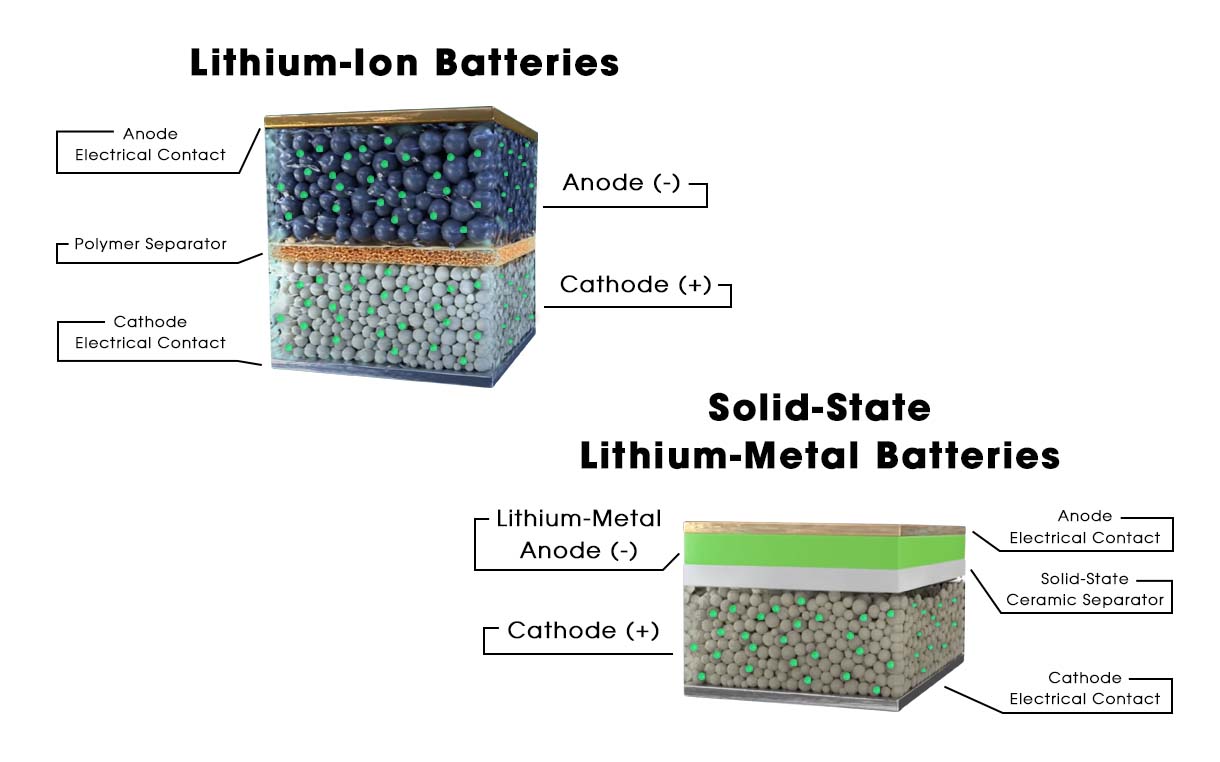
Why Solid-State Batteries Matter, The global transition toward clean energy requires a massive revolution in how we store electrical power. For decades, traditional lithium-ion batteries have silently powered our smartphones, laptops, and early electric vehicles.
However, conventional battery technology is rapidly hitting its absolute physical limits regarding safety and energy density. The modern world urgently demands a safer, faster, and significantly more powerful energy storage solution to thrive.
Enter solid-state battery technology, the highly anticipated holy grail of the modern clean energy landscape. This breakthrough technology completely replaces volatile liquid components with stable, high-performance solid materials.
This single design change unlocks unprecedented capabilities that will permanently alter the future of global transportation. Let us dive deep into why this fascinating engineering shift matters so much to our world today.
The Problem with Liquid Electrolytes
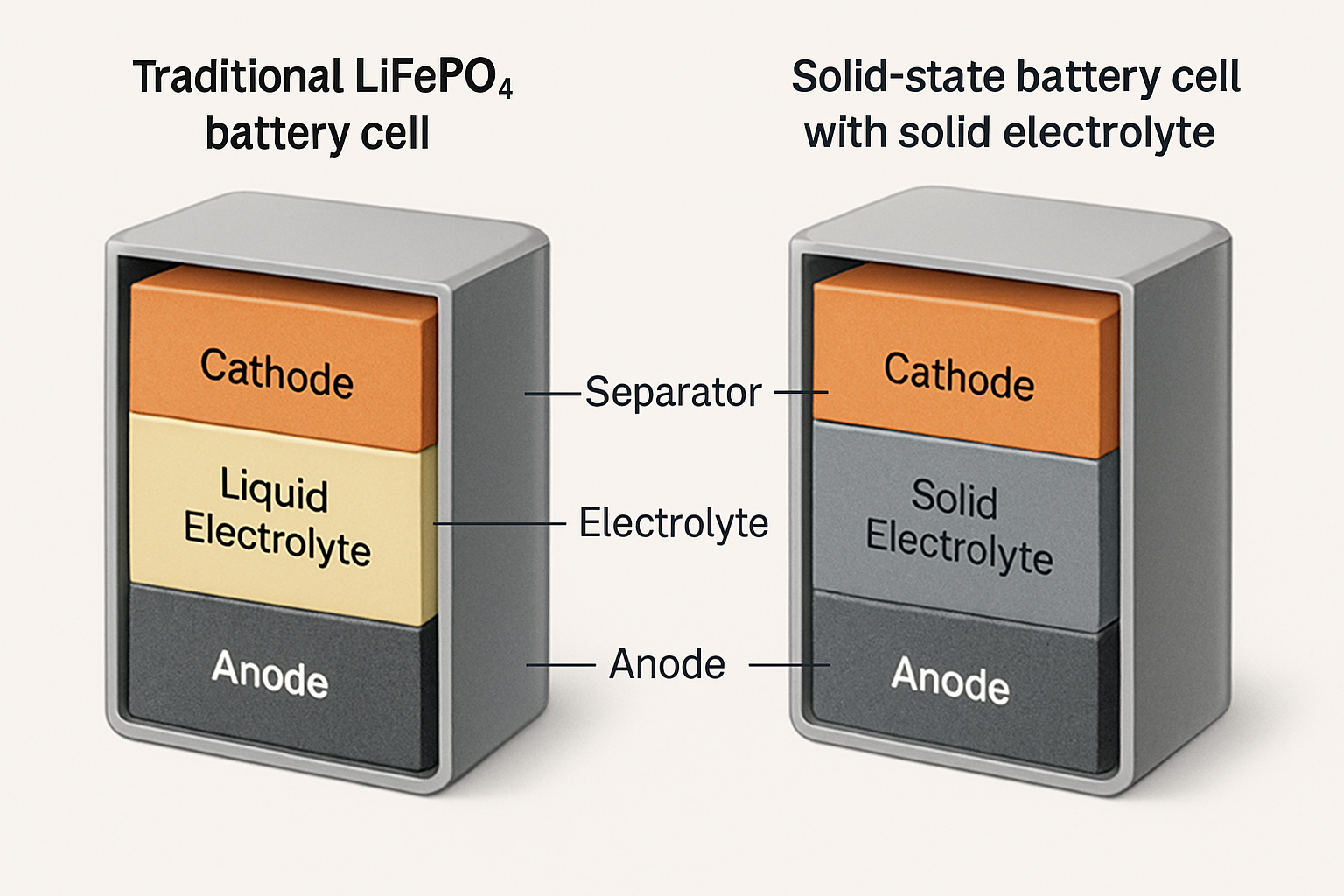
Understanding the true value of solid-state systems requires analyzing the flaws of current battery architectures. Standard lithium-ion batteries rely heavily on a liquid chemical electrolyte to move ions between internal electrodes. This volatile liquid organic solvent is highly flammable and poses severe risks under extreme thermal stress. Accidental punctures or internal manufacturing defects can trigger catastrophic fires that are notoriously difficult to extinguish.
What changed the engineering focus so drastically toward solid alternatives over the last few years? The answer lies within the compounding safety demands of massive commercial electric vehicle fleets. Manufacturers must add heavy, complex liquid cooling systems to keep traditional batteries at optimal operational temperatures. These bulky thermal cooling assemblies add unnecessary weight and decrease the overall efficiency of the vehicle.
Today, traditional cells are reaching a hard ceiling in their maximum possible energy storage capacities. Pushing these liquid-based systems to hold more power often increases the likelihood of dangerous short circuits. Furthermore, the liquid chemistry degrades steadily over time, forcing consumers to replace expensive electronics prematurely. The entire global technology sector needs a fundamentally different structural foundation to continue expanding safely.
The Solid-State Architecture Explained
Solid-state batteries completely eliminate liquid chemicals in favor of a solid, highly conductive material layer. This solid electrolyte layer typically consists of advanced ceramics, specialized polymers, or high-purity sulfide glasses. The solid material functions simultaneously as the ion conductor and a physical separator between internal components. This elegant consolidation enables a remarkably compact, lightweight, and durable internal battery design structure.
What truly sets this architecture apart from conventional battery designs? The answers lie within the revolutionary ability to utilize pure lithium metal anodes safely. Traditional liquid batteries cannot use lithium metal because dangerous needle-like structures called dendrites form rapidly. These sharp metallic dendrites easily pierce liquid separators, causing immediate, catastrophic internal short circuits.
In contrast, a robust solid ceramic electrolyte acts as an impenetrable physical shield against dendrites. This protection allows engineers to utilize pure lithium metal, which drastically multiplies the battery’s energy potential. The resulting battery pack occupies significantly less physical space while storing double the electrical energy. This design paradigm shift redefines what is possible for portable electronic devices and electric transportation.
Unlocking Unprecedented Energy Density
Energy density refers to the specific amount of electrical power a battery can store relative to its weight. Solid-state technology delivers a massive leap forward in this specific metric compared to older cell formats. Higher energy density means your future electronic devices will last significantly longer on a single charge. This breakthrough permanently resolves the nagging range anxiety that prevents many consumers from purchasing electric vehicles.
Furthermore, a solid-state pack can easily double the driving range of a standard electric car. Imagine driving an electric sedan for a thousand kilometers on a single charge without stopping once. This expanded range makes electric vehicles highly practical for long-distance commercial shipping and cross-country road travel. The reduction in battery weight also allows vehicle manufacturers to design sleeker, more aerodynamic automotive chassis.
What’s interesting is how this massive energy boost alters the landscape of aviation design. Traditional lithium-ion batteries are simply too heavy to power commercial passenger aircraft efficiently. Solid-state technology provides the necessary lightweight power density to make regional electric flight a reality. This innovation will drastically reduce carbon emissions within the global aviation sector over the coming decades.
Revolutionary Super-Fast Charging Speeds
Waiting for an electric vehicle to charge remains a significant inconvenience for many busy drivers. Conventional liquid batteries require slow, carefully managed charging cycles to prevent dangerous overheating and chemical breakdown. Forcing high electrical currents into a liquid cell too quickly causes rapid degradation of internal components. Solid-state technology completely rewrites these charging limitations by tolerating much higher thermal loads.
In addition to superior heat tolerance, solid electrolytes facilitate a much faster transfer of lithium ions. This rapid ionic movement allows users to charge a vehicle from zero to eighty percent in under ten minutes. This incredibly fast speed matches the time it takes to fill a traditional gasoline tank. Drivers can quickly top off their vehicle batteries during a brief highway rest stop.
What is fascinating is how this rapid charging capability alters daily consumer electronics usage habits. You will no longer need to plug your smartphone in overnight to ensure a full battery. A quick two-minute charge while brushing your teeth provides enough energy for an entire day of heavy use. This convenience completely changes our psychological relationship with portable digital technology.
Extreme Durability and Lifespan Longevity
Replacing degraded batteries represents a massive economic and environmental burden for the modern tech industry. Liquid electrolytes react chemically with internal electrodes over hundreds of charge cycles, creating resistive dead zones. This inevitable chemical breakdown causes your smartphone battery to drain rapidly after just two years of use. Solid-state chemistry exhibits remarkably low degradation rates because solid materials remain chemically inert during operation.
Furthermore, a top-tier solid-state battery can easily survive over ten thousand complete charge and discharge cycles. This extreme durability means a battery pack can outlast the actual lifespan of the vehicle it powers. An electric car battery could easily operate flawlessly for over one million total driving kilometers. Consumers will save thousands of dollars on long-term vehicle maintenance and replacement costs.
However, the environmental benefits of this longevity extend far beyond simple consumer cost savings. Extending battery lifespans dramatically reduces the global demand for raw mineral mining operations. We will need to harvest far less lithium, cobalt, and nickel from the earth over time. This durability creates a much more sustainable, circular lifestyle for the global clean energy economy.
Overcoming Manufacturing and Scalability Hurdles
Despite the magnificent technological promises, solid-state batteries are not yet dominant in mass retail markets. The primary challenge preventing immediate widespread adoption centers entirely around complex, high-precision manufacturing processes. Producing large, defect-free ceramic or sulfide electrolyte sheets requires specialized cleanrooms and massive capital investments. A single microscopic crack in a solid electrolyte layer can ruin the entire battery cell.
In addition to manufacturing precision, the current cost of producing these solid materials remains quite high. Early solid-state cells are significantly more expensive to manufacture than highly optimized traditional lithium-ion packs. Manufacturers must develop entirely new mass-production assembly lines to bring retail costs down effectively. This industrial transition requires deep collaboration between automotive brands, material scientists, and battery suppliers.
What’s interesting is the clever hybrid approach some manufacturers are taking to bridge this commercial gap. Several companies are developing semi-solid batteries that utilize a tiny amount of liquid gel inside a solid matrix. This intermediate step allows factories to use existing manufacturing equipment while capturing many safety benefits. These hybrid steps ensure that consumers will experience improved battery safety long before full solid-state production matures.

Summary of the Solid-State Future
Solid-state batteries matter because they represent the definitive catalyst for a completely fossil-fuel-free future. They eliminate the terrifying fire hazards associated with traditional liquid electrolytes to ensure ultimate user safety. By doubling energy density, they erase driving range anxiety and open the door for electric commercial aviation. Their ability to charge fully in minutes brings unparalleled convenience to our fast-paced modern digital lives.
Ultimately, solving the remaining manufacturing hurdles will unlock a magnificent era of clean, sustainable energy abundance. The extreme longevity of solid chemistry protects our planet by reducing the necessity for continuous mineral mining. Affordable, widespread solid-state storage will fundamentally transform how humanity powers its cities, vehicles, and personal electronics. Embracing this monumental technological shift ensures a cleaner, safer, and incredibly efficient world for generations to come.
You may also like
-
The Invisible Labor of Consumer Tech: How Your Digital Life Fuels a Hidden Economy
-
The Commodification of Curiosity: How Consumer Tech Turns Inquiry into Exploitation
-
The Algorithm of Addiction: How Consumer Tech Exploits Psychological Vulnerabilities for Engagement
-
The Silent Erosion: How Consumer Tech is Rewiring Our Decision-Making Without Permission
-
The Cognitive Trade-Off: How Consumer Tech is Redesigning Our Mental Architecture